
Q(B) Cass Sunstein is wary of the trend towards personalisation of media diets, arguing that it damages the media’s role as a ‘general interest intermediary’, while others (like Negroponte) have celebrated the end of boredom as we get to tailor content closer to our interests.
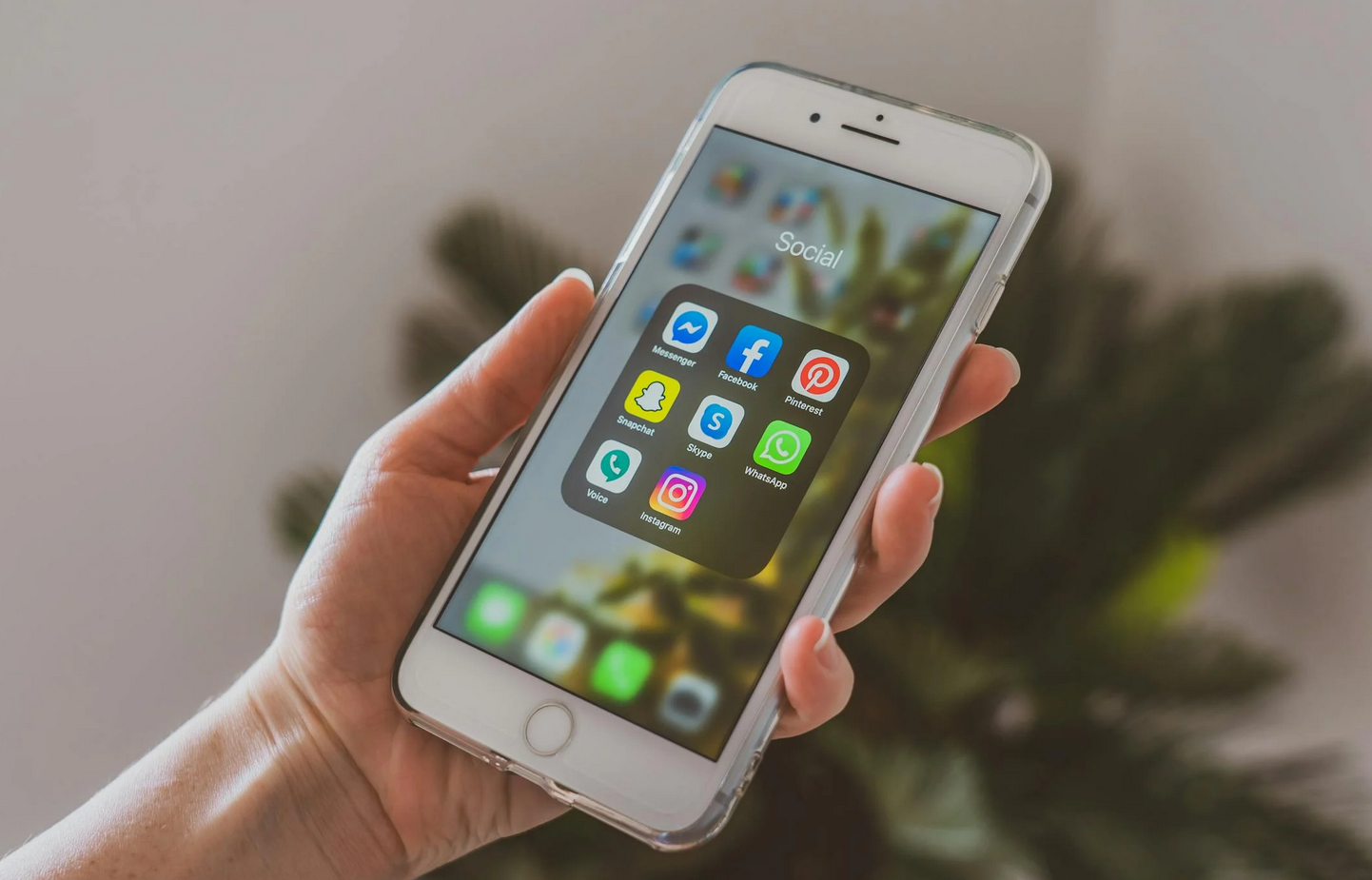
Technology is evolving more and more each passing day. In just a few short years we’ve gone from having wired landline telephones, to glossy touch screen portable phones. Except these aren’t just our phones. These are a number of items that have now become one small screen. They are our alarm clocks, our calculators, our cameras, and our newspapers. These are just a few items of our daily lives that our phones have replaced. In just thirty years the internet and how we use it has drastically expanded. In just a short while, we have adapted the internet as a way of life, and we have become highly dependent on it. There are a wide range of reasons as to how the internet has grown to be a constant need in our lives and a lot of it is due to how we have become addicted to our phones. The creation of social media has given us access to a form of communication that didn’t use to exist. It is now effortless to contact someone, thanks to instant messaging. Websites such as Facebook, Twitter and Snapchat have allowed this to be possible.
As our technology grows with each passing day so does the media. It is fair to say that due to the amount of technology we use, more and more, physical copies of certain items are becoming less popular. Newspapers have been deteriorating in popularity with each passing year. There is now a wide variety of ways in which we can access the news rather than having to buy newspapers. Not only do we have Facebook, but even Snapchat has introduced it’s own form of providing us with ways to read the news and as well as this we have, of course, newspaper apps and various news websites. The list is endless. Facebook is currently the most used website in the world. It is rare to find someone that doesn’t have an account. Our advancement in technology and our human need for practicality has allowed for websites such as Facebook to become extremely personalised. This means that your Facebook “Newsfeed” is filled with things that Facebook has calculated that you want to see or read about. Facebook can personalise your viewings by way of the things you “like”, or what you watch, or read, and it will slowly eliminate things that it believes you have no interest in. This has caused the way we read the news to change remarkably. This is what Cass Sunstein is wary about. Less and less people are watching or reading the news, they simply “log on” to Facebook and see what they want to see as the media becomes more personalised. This is truly concerning as people are neglecting important news in the world. For example, if you use Facebook as a means to inform yourself on the news and you are a fan of Donald Trump, then that is the news that Facebook will show you. If you don’t spend any time on Facebook reading about the problems that are happening in Syria, then Facebook is going to assume you don’t want to see or read about that and will therefore no longer show you any posts with relation to this. Negroponte sees this as a means to end our boredom as we are not shown things we have no interest in. People should be reading the real news, the good and the bad. As citizens of this world, we should be aware of what is happening in it. Being unaware of what is happening outside our walls will not only cause us to be negligent, but it will also damage our society as we become more and more fixated in our own personalized bubble.
It is undeniable that it is in impressive that our technology has transported us this far, that just by spending time on Facebook, watching a video, it can determine that perhaps you want to watch more of those videos and watch less of others. This is an unhealthy habit that our race has embedded and is causing us to be more introverted. Our society needs to escape this new neglectful habit we have adapted and attempt to be more aware of what is happening in the world.
Bibliography:
- Mark. Facebook. Facebook.com. n.p. 2004. February 17, 2017. <https://www.facebook.com>.
- Jack. Twitter. Twitter.com. n.p. 2006. February 17, 2017. <https://www.twitter.com>.
- Evan. Snapchat. Proprietary software. Apple App Store, Google Play Store. Vers. 9.34.2. Snap, Inc. 14 February 2017. Web. 20 September 2016.